
10 Signs You're Burnt Out (Not Just Tired)
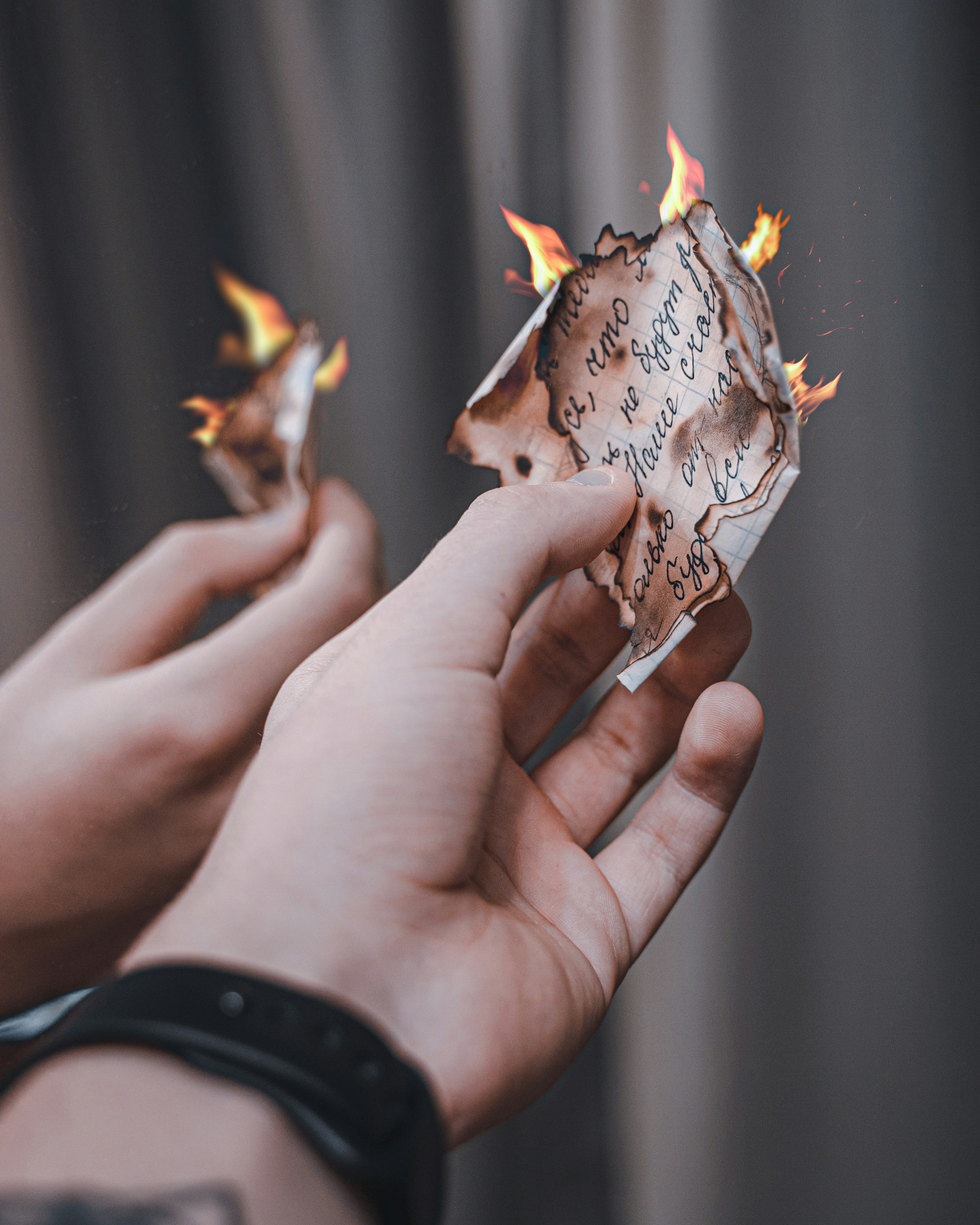
Burnout Is Not Just Being Very Tired
This is the most important thing to understand about burnout: it is not tiredness. Tiredness is resolved by rest. Burnout is not. You can sleep for eight hours and still wake up feeling completely empty. You can take a week off and come back feeling just as depleted as before. Burnout operates at a different level — it's a fundamental depletion of your physical, emotional, and cognitive resources, caused by chronic exposure to stress without adequate recovery.
The psychologist Christina Maslach, who has studied burnout for decades, identified three core dimensions: exhaustion, cynicism (or depersonalisation), and a reduced sense of personal efficacy. In other words, you feel empty, you've stopped caring, and you've lost confidence in your own ability to do anything well. Sound familiar?
"The difference between tiredness and burnout is this: when you're tired, the idea of rest feels appealing. When you're burnt out, nothing feels appealing."
The 10 Signs — How Many Do You Recognise?
Persistent exhaustion that rest doesn't fix. You're sleeping but not recovering. Weekends don't restore you. You drag yourself through each day and wonder how you're going to make it through another week.
Cynicism and emotional detachment. You used to care about your work, your relationships, your goals. Now you feel a kind of flat indifference — or worse, a creeping contempt for the things that used to matter to you.
Reduced performance despite putting in more effort. You're working harder but producing less. Simple tasks take longer. Your concentration has fragmented. You make mistakes you wouldn't normally make.
Difficulty feeling pleasure in anything. This is sometimes called anhedonia — the inability to experience enjoyment. Things that used to recharge you (hobbies, socialising, exercise) now feel like obligations or provide no satisfaction.
Physical symptoms without a clear medical cause. Frequent headaches, recurring illness, gut issues, back and shoulder pain, skin problems. The body carries the weight of chronic stress in very physical ways.
Increasing irritability and a shortened fuse. Small frustrations feel enormous. You snap at people you love. You feel a simmering resentment that you can't quite explain. You feel guilty for how you're reacting, which adds another layer of depletion.
A growing sense of meaninglessness. You find yourself asking: "What's the point of all this?" Not as a philosophical question, but as a genuinely hollow feeling. The sense of purpose that once drove you has drained away.
Using numbing behaviours to cope. Scrolling for hours, drinking more than usual, eating to feel something or nothing, binge-watching as a way of escaping rather than relaxing. These are signs that your system is desperately seeking relief.
Difficulty being present. Even in moments that should feel good — a meal with friends, a beautiful day, a moment of quiet — you find your mind somewhere else, planning, worrying, or simply unable to land in the moment.
Dreading the future rather than looking forward to it. The things you once felt excited about — a project, a trip, a new stage of life — now feel like burdens. The future feels like more of the same, or something you simply can't imagine.
What Causes Burnout?
Burnout is almost never caused by one single thing. It tends to emerge from a sustained mismatch between demands and resources — between what's being asked of you and what you have available to give. Common contributors include chronic overwork without recovery time, a lack of autonomy or control, poor relationships with colleagues or managers, unclear expectations or constantly shifting goalposts, a misalignment between your values and the culture you're operating in, and caring deeply about something while feeling unable to influence outcomes.
It's also important to acknowledge that burnout is not a personal failure. It is frequently a structural problem — a response to unsustainable conditions, not a sign of weakness. Many of the people who burn out are the most committed, conscientious, and caring individuals in their organisations.
Burnout vs Depression — an important distinction
Burnout and depression share many symptoms, which is why they're often confused. The key distinction is that burnout is context-specific — it arose in response to a particular set of demands, and may improve when those demands change. Depression is more pervasive, affecting all areas of life regardless of context. However, prolonged burnout can develop into clinical depression, which is why early support matters. If you're unsure which you're experiencing, speaking with a professional is always the right first step.
What To Do When You Recognise Yourself Here
The first step — which sounds simple but is genuinely difficult for people in burnout — is to acknowledge it. Many people in burnout are high-achievers who have built their identity around their capacity to cope. Admitting that they're not coping can feel like failure. It isn't. It's the beginning of recovery.
Recovery from burnout is not a weekend off. It requires genuine structural change — to workload, to boundaries, to the relationship between your identity and your output. This is the work that coaching does particularly well: not just managing the symptoms, but rebuilding the conditions for a sustainable life.